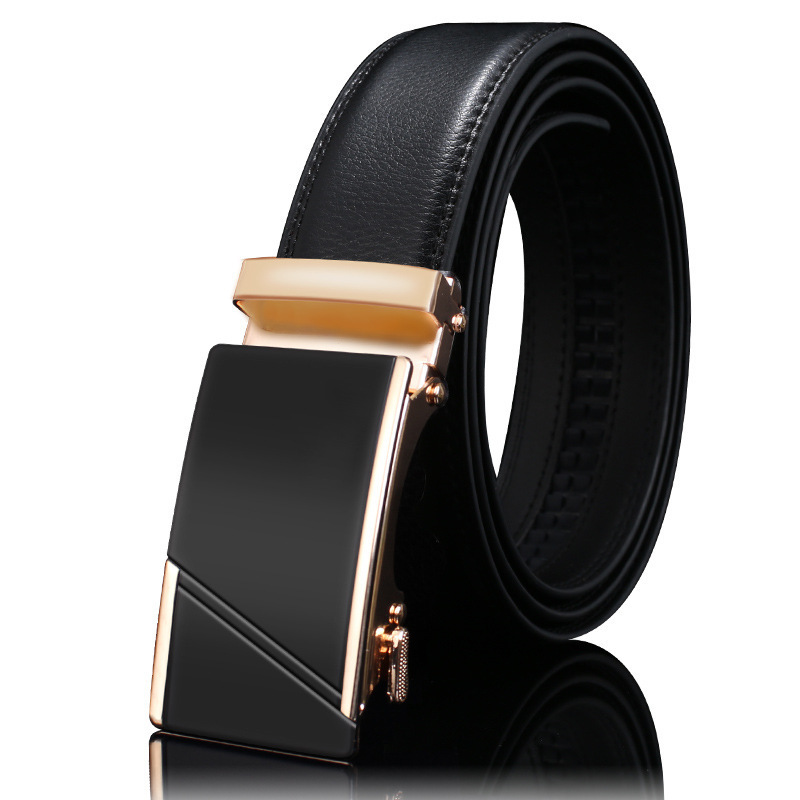
Long men's belt made of split leather
New size chart – women's body measurements
All measurements are in cm.
| EU size | Size (EU) | UK size | Bust (cm) | Waist (cm) | Hips (cm) | Shoulders (cm) |
|---|---|---|---|---|---|---|
| 32 | XXS | 4 | 75–80 | 56–61 | 81–86 | 36.5 |
| 34 | XS | 6 | 81–87 | 62–67 | 87–92 | 37.25 |
| 36 | S | 8 | 88–93 | 68–73 | 93–99 | 38 |
| 38 | M | 10 | 94–101 | 74–83 | 100–109 | 38.75 |
| 40 | L | 12 | 102–109 | 84–94 | 110–119 | 39.5 |
| 42 | XL | 14 | 110–119 | 95–105 | 120–129 | 40.3 |
| 44 | XXL | 16 | 120–129 | 106–117 | 130–139 | 42.5 |
| 46 | 3XL | 18 | 130–139 | 118–129 | 140–149 | 43 |
New size chart – men's body measurements
All measurements are in cm.
| EU size | Size (EU) | UK size | Chest (cm) | Waist (cm) | Hips (cm) | Shoulders (cm) |
|---|---|---|---|---|---|---|
| 46 | S | 36 | 93–97 | 81–87 | 92–97 | 42.3 |
| 48 | M | 38 | 98–102 | 82–88 | 98–104 | 44.3 |
| 50 | L | 40 | 103–111 | 89–99 | 105–110 | 46.3 |
| 52 | XL | 42 | 112–121 | 100–110 | 111–116 | 47.3 |
| 54 | XXL | 44 | 122–131 | 111–121 | 117–124 | 48.3 |
| 56 | 3XL | 46 | 132–141 | 122–123 | 125–132 | 49.3 |
- Free Shipping
- 30-day money back guarantee
- Up to 50% OFF
Comfort and Style in Extended Length
The search for a suitable belt can be frustrating, especially when standard lengths are insufficient. A belt that is too short not only restricts freedom of movement but also looks unflattering. For those seeking a high-quality extended length model that makes no compromises in design and quality, here is the perfect solution.
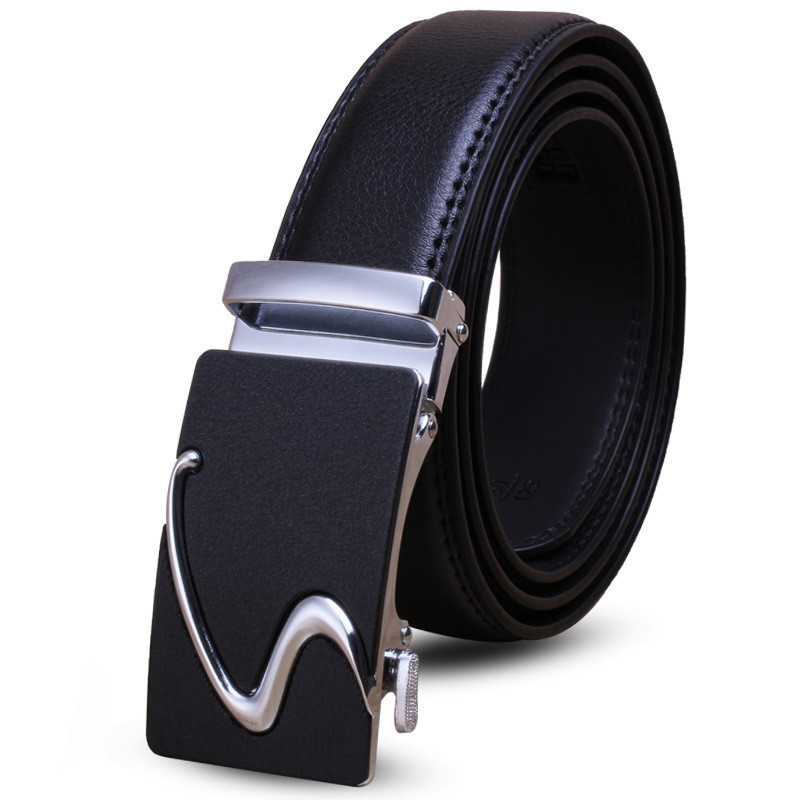
High-Quality Leather and Easy Handling
This belt made of genuine split leather offers an excellent combination of durability and elegance. The material is robust and retains its shape even under daily use. The automatic buckle made of zinc alloy allows for infinite adjustment, which provides a perfect fit, especially for longer belts. You no longer have to worry about fitting holes – the belt can always be precisely adjusted to your needs.
The design is classic and versatile, making the belt suitable for both formal business occasions and relaxed casual looks. The zinc alloy of the buckle gives the belt an elegant touch and is also corrosion-resistant. With various length options up to 160 cm, this model is ideal for anyone who needs a longer belt without wanting to sacrifice style.
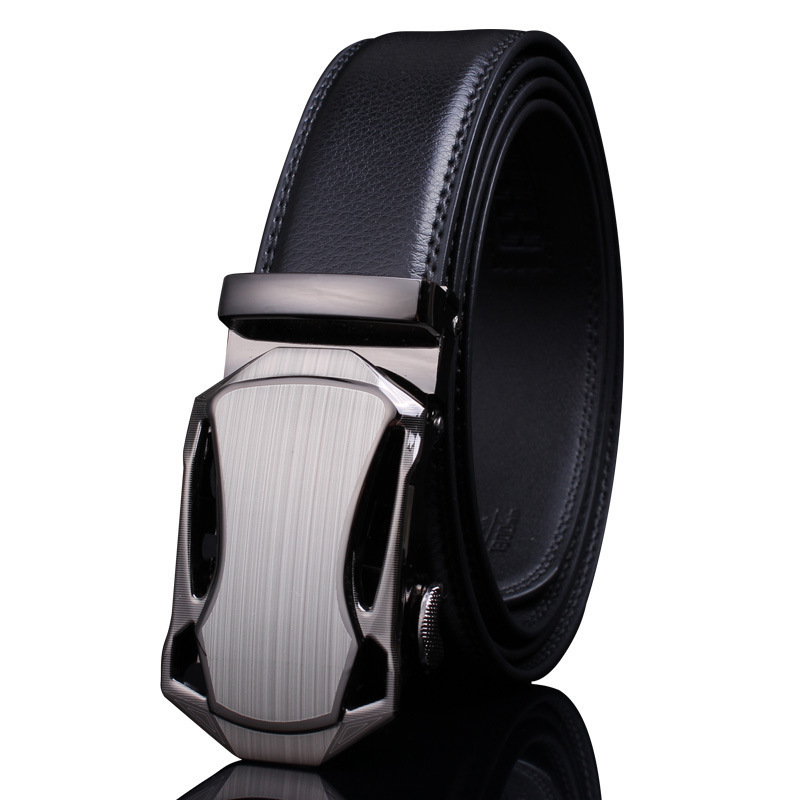
Advantages at a Glance
- Genuine Split Leather: High-quality material for a long lifespan and elegant appearance.
- Automatic Buckle: Allows for infinite and comfortable width adjustment.
- Zinc Alloy: The buckle is robust, durable, and visually appealing.
- Extended Lengths Available: Ideal for anyone needing a greater length.
- Versatile Design: Fits both business and casual outfits.
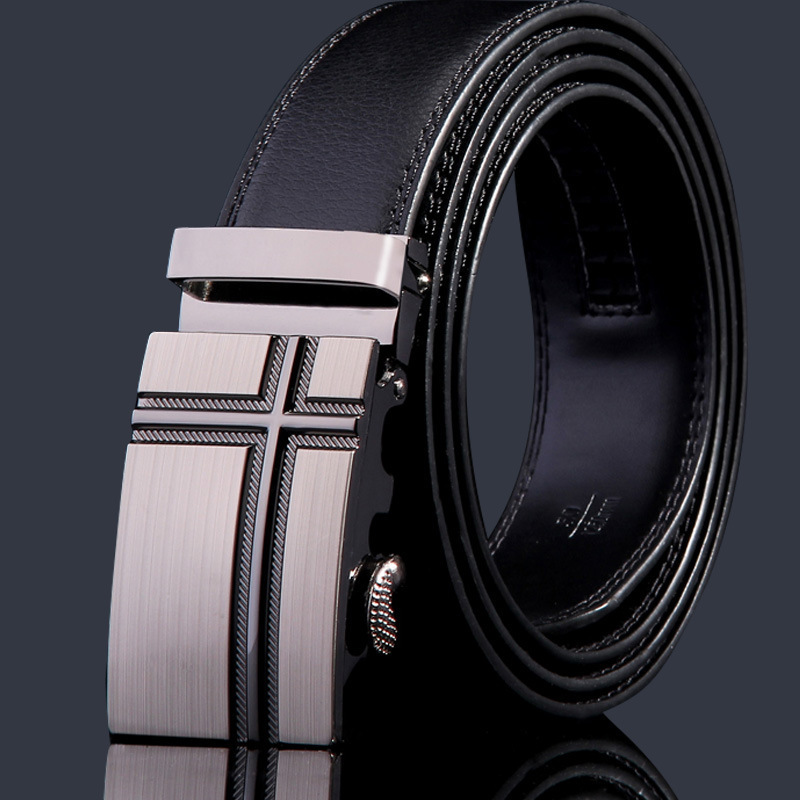
An Essential Companion
This belt is the perfect choice for anyone who values quality and a perfect fit. It combines classic elegance with modern functionality and offers various length options as a solution for every need.
- Material: Split Leather
- Style: Versatile
- Belt Buckle Material: Zinc Alloy
- Width: 2-4 cm
- Style Classification: Fashionable Pendulum
- Element Classification: National/Traditional